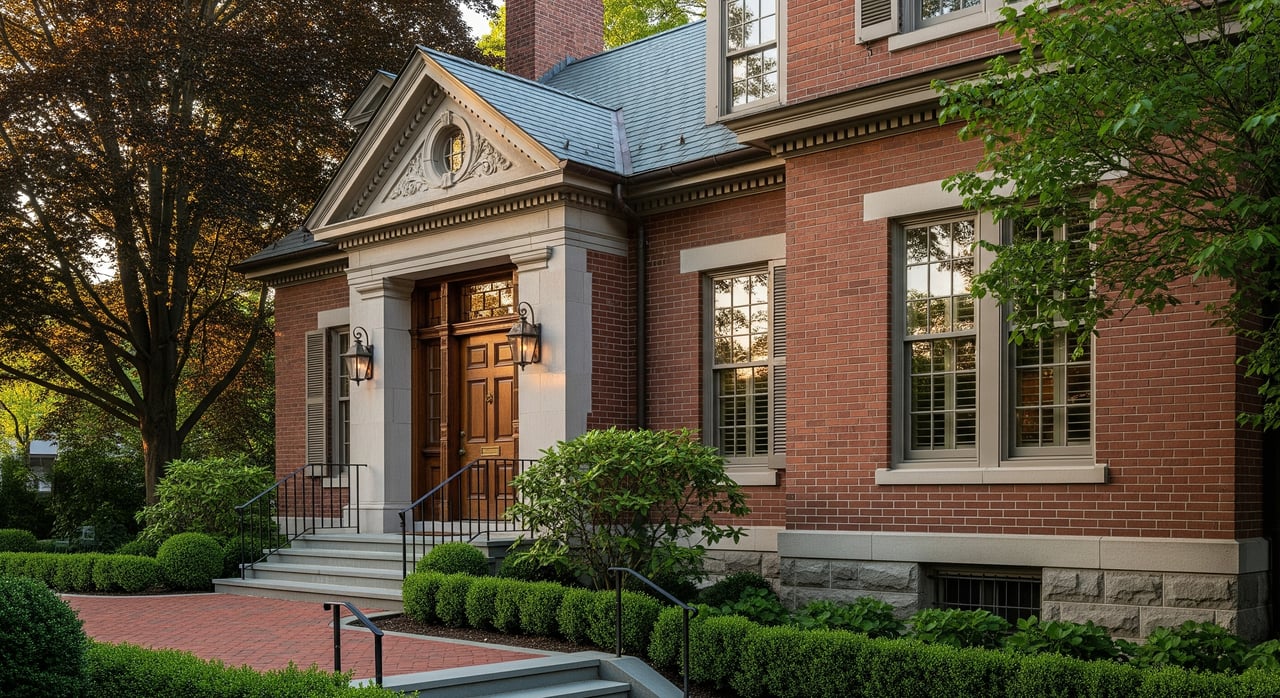
Pricing a historic home is not like pricing anything else on the block. You are selling character, craftsmanship, and a story, but the market still expects clear evidence for the number you choose. If you want buyers to see your home’s value the way you do, you need a thoughtful, research-driven plan that fits Madison and the broader Morris County Area. In this guide, you will learn how to pick the right comps, weigh period features and modern updates, prepare for appraisal, and select a pricing strategy that meets your goals. Let’s dive in.
Know your Madison market
Madison sits within Morris County and the Newark–Jersey City–Newark metro, with convenient NJ Transit rail service from Madison Station to major job centers. Proximity to transit, downtown amenities, and regional employment hubs often influences prices and buyer demand for older homes with quality craftsmanship.
Before you set a price, confirm current conditions using local sold data and listing history from the MLS, county tax records, and recent market reports. Buyers also pay attention to property taxes, school-district reputation in neutral terms, and commute options to NYC and Morristown. In commuter suburbs like Madison, intact architectural integrity and strong maintenance can support a premium, while high restoration costs, restrictive historic rules, or energy inefficiencies can temper offers.
Build the right comp set
Finding true apples-to-apples sales for a unique historic house can be tough. The key is to structure your search and document every choice.
Start with your subject
Define the attributes that matter most for buyers:
- Architectural style and era, plus any local, state, or National Register designation.
- Year built, integrity of original features, and overall condition.
- Net living area, bed and bath count, number of stories, and finished lower or attic levels.
- Lot size, topography, and notable elements like mature trees or a carriage house.
- Proximity to downtown Madison and walking distance to Madison Station.
Search smart
- Time frame: Prioritize closed sales from the last 6 to 12 months. If volume is low, carefully extend to 12 to 24 months and note market shifts.
- Location: Start within 0.25 to 1 mile. If inventory is thin for your style, expand to nearby areas with similar housing, such as parts of Chatham or Morristown, and document any location differences.
- Size and quality: Target homes within about 20 percent of your gross living area and match condition as closely as possible. If not available, use price per square foot with careful adjustments.
When comps are scarce
- Use active and contingent listings as directional guides and consider typical list-to-sale differences.
- Track pending sales and new construction to understand trend lines, not as direct comps.
- Verify off-market or estate sales if you include them and note any special conditions.
Comp checklist
Aim for 3 to 6 closed comps when possible. For each one, capture:
- Sale date, sale price, and days on market.
- Gross living area, lot size, beds and baths, and number of stories.
- Style, age, and integrity of period features.
- Condition rating and modern upgrades, such as kitchens, baths, and major systems.
- Distance from the subject and any location notes.
- Special sale conditions, like estate or investor transactions.
- Listing history, including price reductions.
Make smart adjustments
Great pricing comes from clear, well-supported adjustments. Use market evidence when possible and cost estimates when needed.
Value period features
Original elements like wood floors, stained or leaded glass, detailed moldings, built-ins, fireplaces, and grand staircases can add value when they are intact and in good condition. Buyers who seek authenticity in Madison often pay for scarcity and craftsmanship. The actual premium depends on the specific feature and local buyer preferences.
Some period elements can be neutral or negative until addressed. Issues like lead paint, knob-and-tube wiring, unsafe decorative balconies, or uninsulated single-pane windows often require remediation and can limit offers or trigger discounts.
Credit modern updates
Sensitive renovations that respect the home’s character usually expand the buyer pool. Contemporary kitchens and bathrooms, updated HVAC, electrical and plumbing, insulation improvements, and energy-efficiency upgrades help a historic home live comfortably today. Updates that preserve trim, proportions, and finishes tend to outperform trend-heavy overhauls.
Convert features into numbers
Use more than one method to support adjustments:
- Paired sales: Identify two similar sold homes that differ mainly by one feature, then calculate the price difference.
- Cost to cure: Gather contractor bids to restore or add a feature. Sellers rarely recoup 100 percent of costs; the captured value depends on market heat and buyer preferences.
- Avoid rigid rules of thumb: Kitchens and baths often carry outsized influence, but the right adjustment amount must reflect local evidence.
Your documentation packet
- Inspection reports and contractor bids for repairs and upgrades.
- A list of historic elements with photos and notes on condition.
- Any architectural drawings, restoration permits, or historic reports that verify authenticity.
Appraisal readiness
Most residential appraisals rely on the Sales Comparison Approach, which works best when comps are strong and adjustments are well supported. For unique historic homes, appraisers may also reference the Cost Approach to reflect reproduction or replacement costs, while recognizing that the market might not pay the full amount. The Income Approach is uncommon for single-family homes unless there is legal rental potential, such as a carriage house or accessory unit.
Appraisers also review:
- Historic designations and any controls that limit exterior changes. These can help preserve neighborhood character but may affect flexibility for future renovations.
- Functional obsolescence, such as small kitchens or limited baths relative to buyer expectations.
- Physical conditions like lead, asbestos, knob-and-tube wiring, or aging systems that reduce marketability until corrected.
- The gap between reproduction cost and market value for ornate features.
Consider a certified pre-listing appraisal if your home is highly unique, pricing feels uncertain, or an estate requires formal valuation. Additional technical reports, such as a historic structure assessment, environmental testing, a structural engineer review, or contractor estimates, can help appraisers justify adjustments and give buyers confidence.
Price strategy for Madison
Understand the buyer pool
Historic-home buyers in the Madison area often include:
- Architecture enthusiasts who prioritize original details and authenticity.
- Commuters who value access to Madison Station and downtown amenities.
- Buyers who want neighborhood stability and respected local schools.
- Investors or renovators interested in projects when condition calls for it.
Turnkey, well-preserved historic homes can command premiums. Homes that need major work may attract a narrower audience and take longer to sell. High-quality updates that respect the original character typically shorten time on market.
Choose your approach
- Premium pricing: Consider this when comps, low inventory, and buyer demand for historic homes clearly support it. Expect longer days on market if the price stretches beyond buyer sentiment.
- Market-value pricing: Base this on the best available comps and well-documented adjustments. This approach often produces the most efficient sale timeline.
- Value pricing: List slightly below likely market value to drive showings and spark multiple offers. This can work well in hot segments but may leave money on the table in softer conditions.
Timing and seasonality
Around the NYC metro, spring and early fall tend to be active. That said, distinctive historic homes can attract qualified buyers year-round. Use current MLS trends to confirm timing and price sensitivity.
Pre-listing checklist
Complete these steps to support pricing and speed buyer confidence:
- Gather permits, past renovation records, and any historic documentation.
- Commission a pre-listing inspection and obtain contractor bids for recommended corrections.
- Pull recent property-tax and parcel data from county records.
- Confirm whether the property falls under local historic-district guidelines and obtain the rules for alterations.
- Assemble estimates for restoration or modernization to support cost-to-cure adjustments.
Track buyer signals
Once live on the MLS, watch early indicators to validate your price or prompt changes:
- Online traffic, showing volume, and feedback on condition and layout.
- Early offers or a lack of them within the first two weeks.
- New pending sales that mirror your home’s features and price band.
If signals are soft, consider fine-tuning price, improving presentation, or addressing key buyer objections backed by your inspection and bid package.
How Megan supports your sale
You deserve a calm, methodical plan with premium presentation and clear pricing logic. With luxury-level service at every price point, a process-driven approach, and elevated marketing you can expect:
- A comp set built for your specific home, including extended geographic or time ranges where justified.
- Documented adjustments using paired sales and cost-to-cure estimates.
- Coordination for pre-listing inspections, contractor bids, and historic documentation.
- Cinematic media, professional staging, and a custom property website to showcase period features and sensitive upgrades.
- Ongoing market monitoring with timely price or positioning recommendations.
Ready to price your Madison historic home with confidence? Connect with Megan Bonanno, Broker Associate for a thoughtful valuation and marketing plan that respects your home’s history and maximizes your outcome.
FAQs
How do you choose comps for a Madison historic home?
- Start within 0.25 to 1 mile and 6 to 12 months, then expand to nearby areas and 12 to 24 months if needed, match style, size, and condition closely, and document every adjustment.
Do original features increase value in Madison?
- Intact, well-preserved elements like wood floors, stained glass, and moldings can support a premium with the right buyer pool, while items needing remediation often reduce offers until corrected.
How do historic-district rules affect price?
- Design review can protect neighborhood character, which some buyers value, but limitations on exterior changes may reduce flexibility for others and should be disclosed upfront.
Should I get a pre-listing appraisal for a unique home?
- Yes when pricing is uncertain, the architecture is highly unique, or an estate needs formal valuation, and support it with inspections, contractor bids, and historic documentation.
What if there are no recent comparable sales?
- Use older or geographically broader comps with clear notes, reference paired-sales logic and cost-to-cure estimates, and support your case with active or pending listings as directional context.
When is the best time to list a historic home in Madison?
- Spring and early fall are typically active, but the right buyer can purchase year-round, so align timing with current MLS trends and your readiness to present the home at its best.