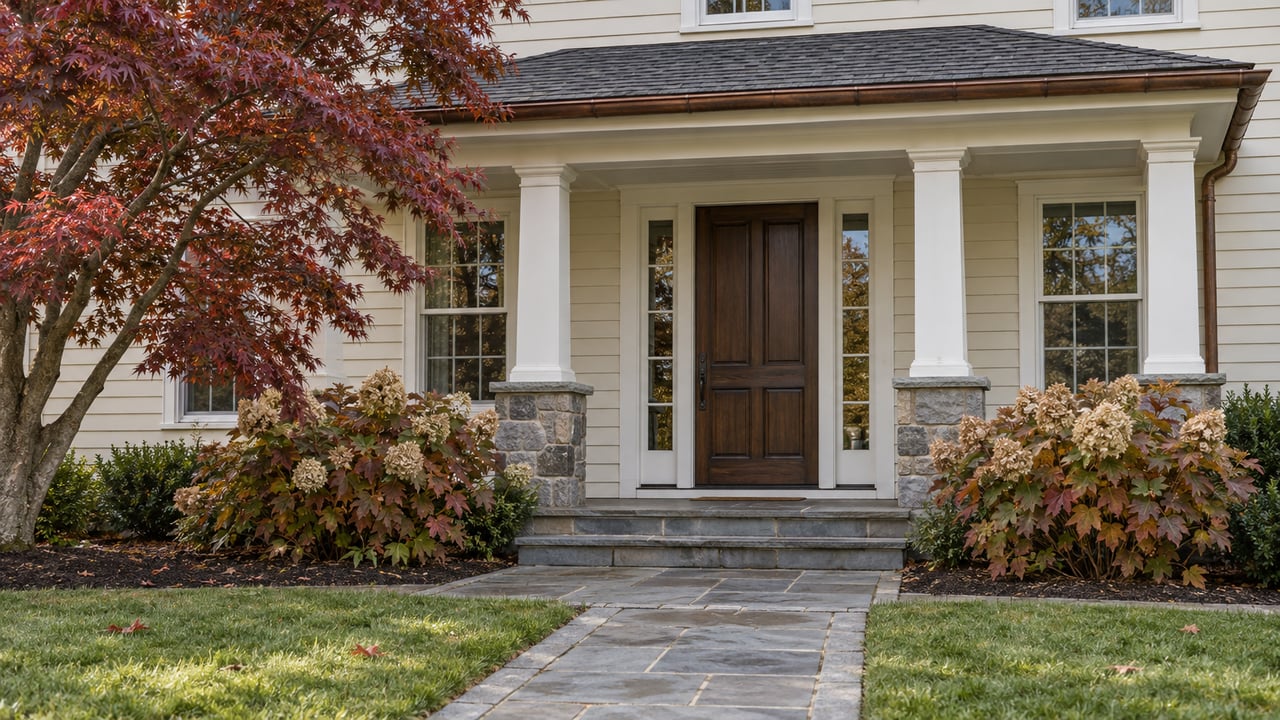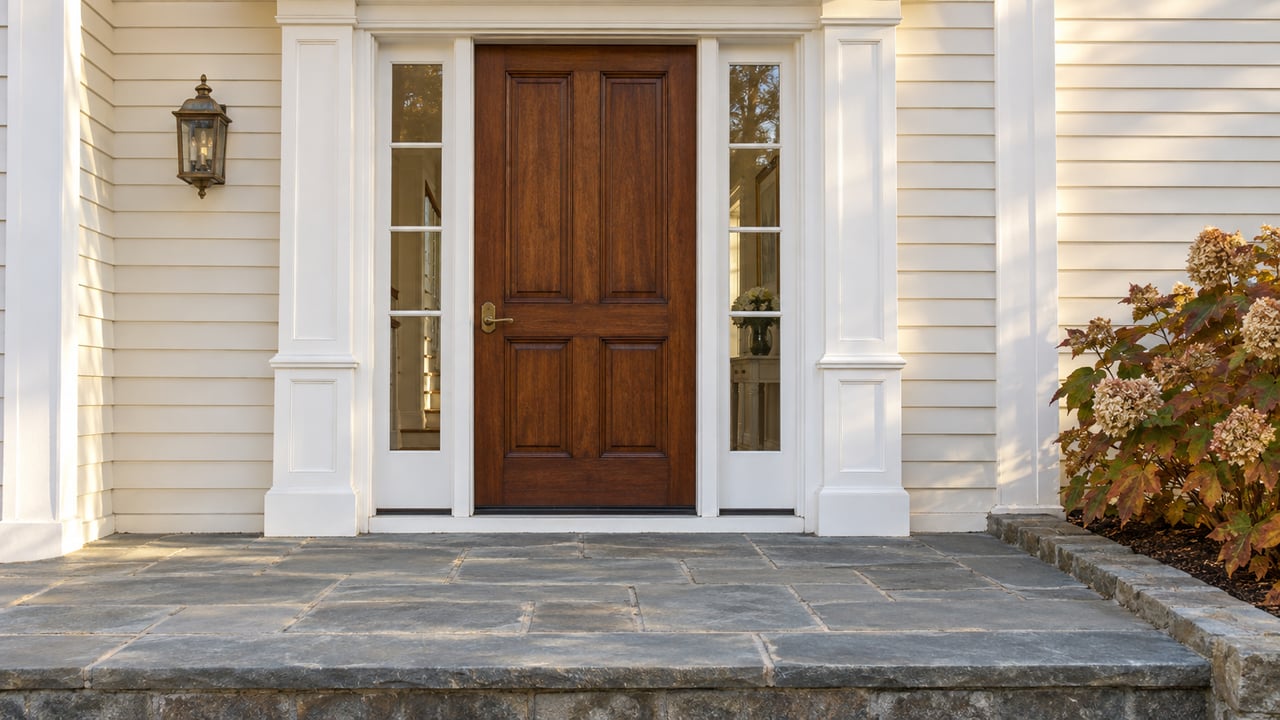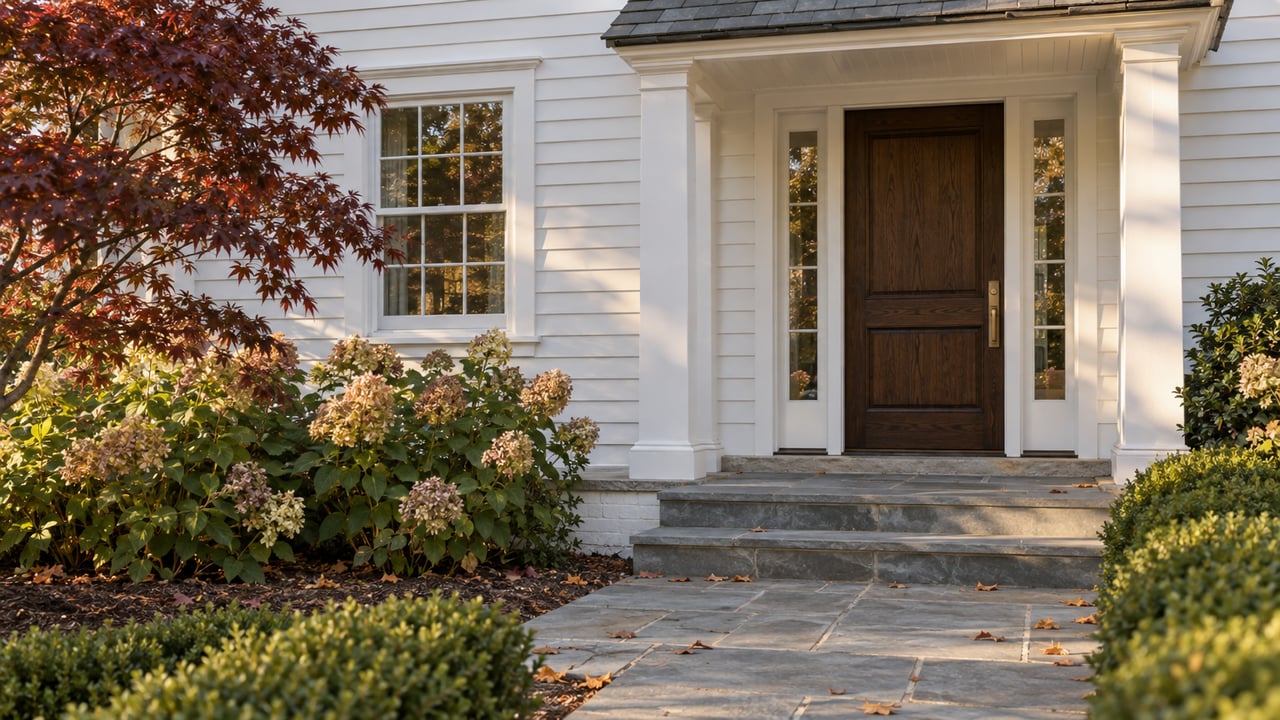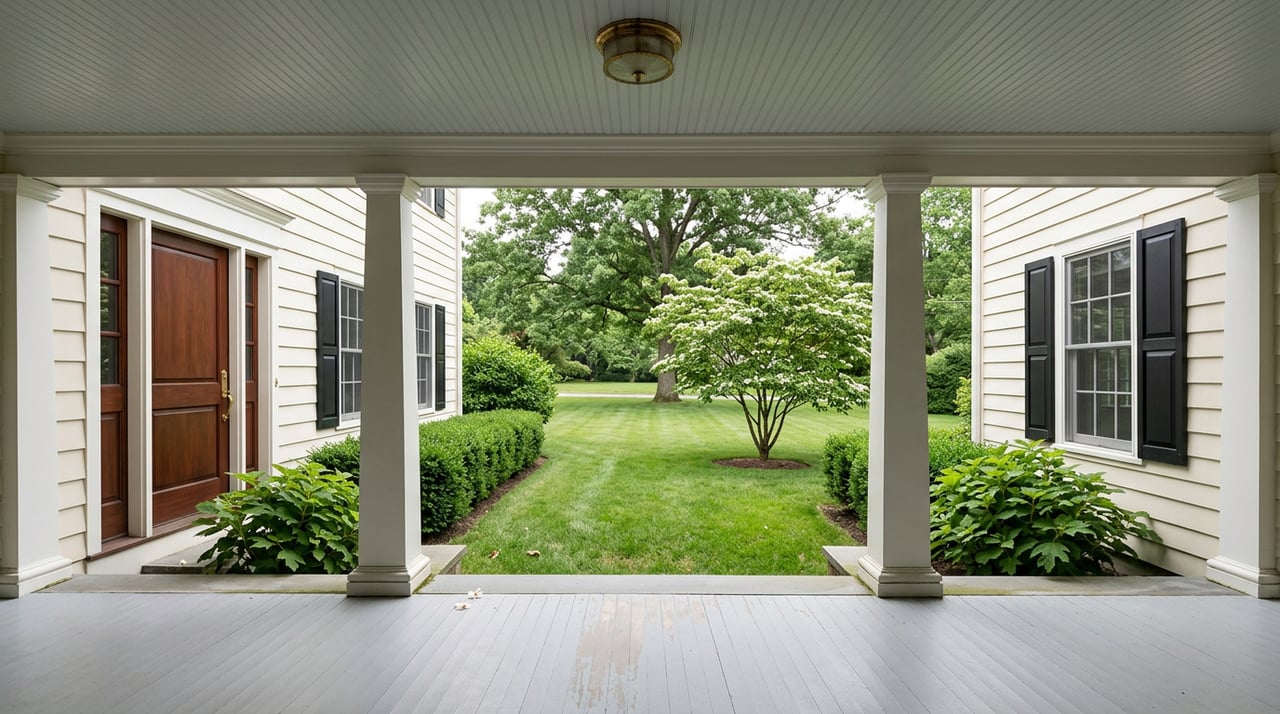
Looking for land or an estate home in Far Hills? You are not shopping in a typical subdivision market. Far Hills is a place where acreage, privacy, and rural character shape the buying process, which means the right purchase often depends as much on zoning, utilities, and site conditions as it does on the house itself. If you want to buy smart in this market, understanding those basics upfront can save you time, money, and stress. Let’s dive in.
Far Hills Is An Acreage Market
Far Hills is a small borough with about 3,149 acres, or 4.92 square miles, and its long-standing land pattern is very different from a conventional suburban town. Public planning documents describe a compact village core paired with a low-density countryside, where lots are often larger than 10 acres and some parcels exceed 30 acres.
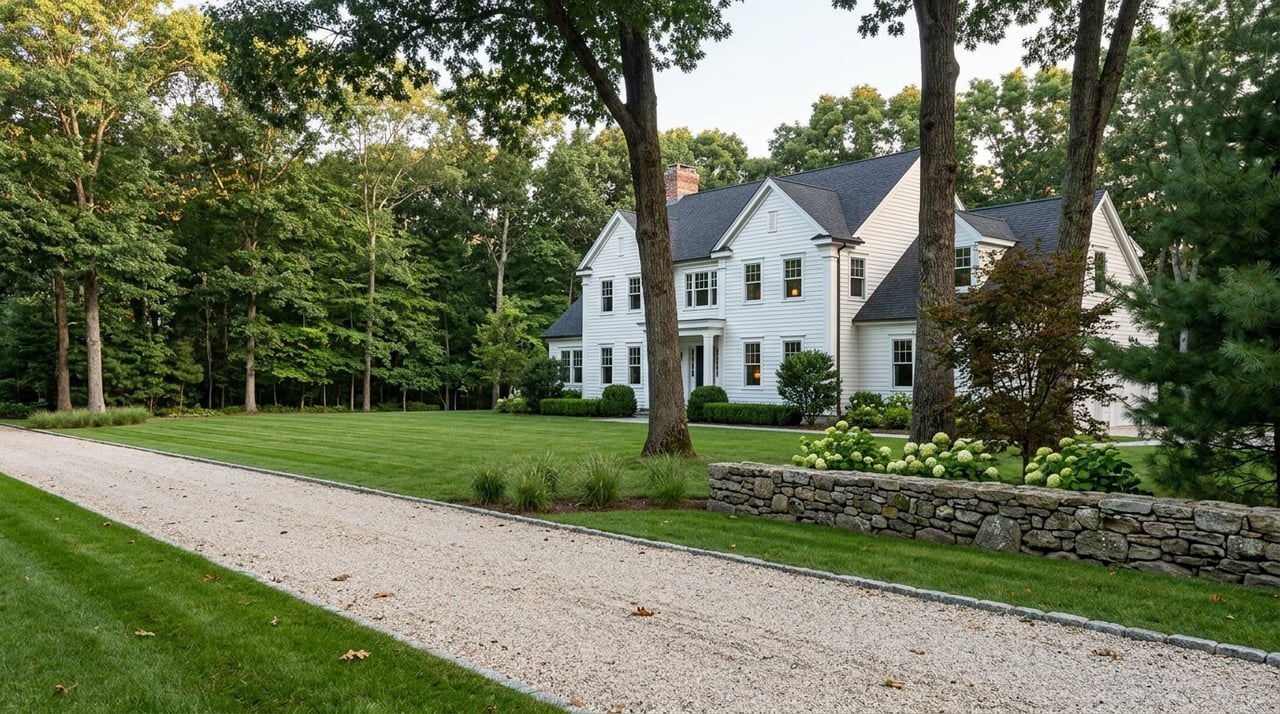
That pattern still shows up in current listing samples, with estate homes on parcels such as 11.29, 13.28, and 25.27 acres, plus land listings around 14.35 acres. The practical takeaway is simple: if you are buying in Far Hills, you should expect limited inventory and estate-scale land rather than smaller neighborhood lots.
Zoning Shapes What You Can Do
In Far Hills, acreage alone does not tell you what a property can support. The borough’s Land Management Ordinance still reflects the area’s estate pattern, and that affects everything from where you can build to how much of the lot may actually be usable.
R-10 Is The Estate Baseline
The R-10 Low Density Residential district requires a 10-acre minimum lot area. It also includes steep-slope and wetland adjustments, a maximum impervious coverage of 5 percent of usable land, and substantial setbacks, including a 200-foot front yard and 100-foot or 200-foot side yards.
For you as a buyer, that means a 10-acre parcel may not offer a 10-acre building envelope. The gross size can look generous on paper, but environmental constraints and zoning rules can reduce where a home, driveway, pool, or accessory structure can realistically go.
Smaller Districts Exist, But They Are Different
Far Hills does have smaller-lot districts, but they are generally tied to the village setting rather than the countryside estate pattern. The ordinance shows R-9 Suburban Residential at 3 acres with sewers and 5 acres without sewers, while R-5 Village Residential is listed at 9,000 square feet.
There is also an affordable-housing overlay district, but that is an exception rather than the standard development pattern for estate buyers. If you are shopping for privacy and land, it is important not to assume that one smaller-lot property means the whole borough is changing direction.
Utilities Can Make Or Break A Deal
One of the biggest questions in Far Hills is whether a property has public water and sewer, or whether it relies on private systems. This is especially important if you are buying land or considering a major renovation or rebuild.
Public Service Is Not Borough-Wide
The borough’s master plan states that the village area, including sections near Schley Road, Far Hills Avenue, and the Polo Club neighborhood, was the area served by public water and sewer. It also notes that the countryside historically had limited water supply and no sewers, which helped keep lot sizes large.
Current Jersey WaterCheck information remains consistent with that village-versus-rural split. Far Hills Borough is listed with NJ American Water for drinking water service and Environmental Disposal Corp for wastewater service, but that does not mean every parcel is service-ready. You should verify utility availability for the specific property before making assumptions.
Utility Costs Matter Too
If a property has public utility service, cost is still part of the ownership picture. Jersey WaterCheck lists 2024 residential water pricing at $750.13 per year for 50,000 gallons and $1,034.47 per year for 80,000 gallons for a 5/8-inch meter, while sewer service is listed at $827.40 per year at 45,000 gallons.
Those numbers are not a quote for every home, but they are a useful reminder that utility costs can be meaningful in an estate market. On a larger property, your ongoing operating budget deserves as much attention as the purchase price.
Private Wells And Septic Need Real Due Diligence
If public service is not available, you may be dealing with a private well, a septic system, or both. New Jersey regulates septic systems under statewide standards, and the state’s Private Well Testing Act requires groundwater testing before title closes on a property with a potable well.
That means your due diligence should go beyond a basic home inspection. If a parcel depends on private systems, you will want to understand testing requirements, maintenance obligations, and whether site conditions could affect future improvements.
Privacy Is A Big Draw
Many buyers are drawn to Far Hills for the same reason: space. The borough’s planning documents describe a countryside of wooded land, pasture, lifestyle farming, and equestrian uses, creating a setting that feels private and rural even within a small municipality.
That character is a major part of the value here. If you want separation from neighbors, room to spread out, and a landscape that feels more like an estate than a subdivision, Far Hills offers a distinct experience.
Estate Properties May Include More Than The Main House
Historically, Far Hills estates often included accessory structures such as barns, employee quarters, and gatehouses. For today’s buyer, that can create opportunity, but only if zoning and density rules are respected.
In other words, those buildings may add flexibility or appeal, but they should never be treated as automatic bonus space. It is worth confirming what is permitted, what may be nonconforming, and what changes would require approvals.
Maintenance Comes With The Setting
Large parcels offer privacy, but they also come with more responsibility. When you buy in Far Hills, you are often taking on much more than the house itself.
You may need to budget for:
- Long driveways and paving maintenance
- Snow removal over a larger area
- Tree, brush, and field management
- Drainage and runoff control
- Well and septic maintenance where applicable
This is one reason the best estate purchase is not always the one with the highest acreage count. A property’s value often depends on how usable, serviceable, and manageable that land is for your lifestyle.
Stormwater And Site Constraints Matter
If you are buying raw land or planning a substantial rebuild, site constraints deserve early attention. Far Hills updated its stormwater ordinance in 2024 to require stormwater controls and green infrastructure for major development.
That matters because acreage does not automatically equal buildability. Wetlands, steep slopes, drainage patterns, and stormwater requirements can all affect where and how you can build, as well as what the total project may cost.
A Smart Buyer’s Checklist
Before you move forward on land or an estate home in Far Hills, make sure you confirm the basics early. A careful process helps you avoid falling in love with a property that cannot support your plans.
What To Check Before You Buy
- Confirm the parcel’s zoning district
- Verify whether the property follows the R-10 estate pattern, a village district, or an overlay district
- Check water and sewer availability for the specific parcel
- If private systems are involved, review well testing and septic requirements
- Investigate steep slopes, wetlands, and other physical constraints
- Review stormwater implications if you plan new construction or a major rebuild
- Consider how much of the acreage is truly usable and maintainable
Why Local Guidance Matters In Far Hills
Far Hills rewards buyers who look beyond the listing sheet. A beautiful home or large parcel can be an exceptional opportunity, but only when the zoning, utility setup, and site conditions align with your goals.
That is why a methodical, local approach matters so much here. In a market built around acreage, privacy, and long-term ownership, the smartest move is to evaluate the land and the lifestyle together.
If you are weighing land, an estate home, or a future build in Far Hills, working with a calm local advisor can help you ask the right questions before you commit. When you are ready to talk through your options, connect with Megan Bonanno, Broker Associate.
FAQs
What makes buying land in Far Hills different from buying in a typical suburban town?
- Far Hills is an acreage-focused market with many large parcels, and buyers often need to evaluate zoning, utility access, and site constraints more closely than they would in a standard subdivision setting.
What is the typical zoning pattern for estate property in Far Hills?
- The borough’s R-10 district is the main estate pattern, with a 10-acre minimum lot size plus limits related to setbacks, impervious coverage, steep slopes, and wetlands.
Are public water and sewer available on every Far Hills property?
- No. Public water and sewer have historically been associated more with the village area, while countryside parcels may rely on private wells and septic systems.
Why can a large Far Hills parcel have a smaller buildable area than expected?
- Buildable area can be reduced by zoning setbacks, steep slopes, wetlands, stormwater rules, and impervious coverage limits, so the gross acreage may overstate what is actually usable.
What should buyers check before purchasing an estate home or land in Far Hills?
- Buyers should confirm zoning, utility availability, private well or septic requirements, environmental constraints, and how much of the property is realistically usable and maintainable.