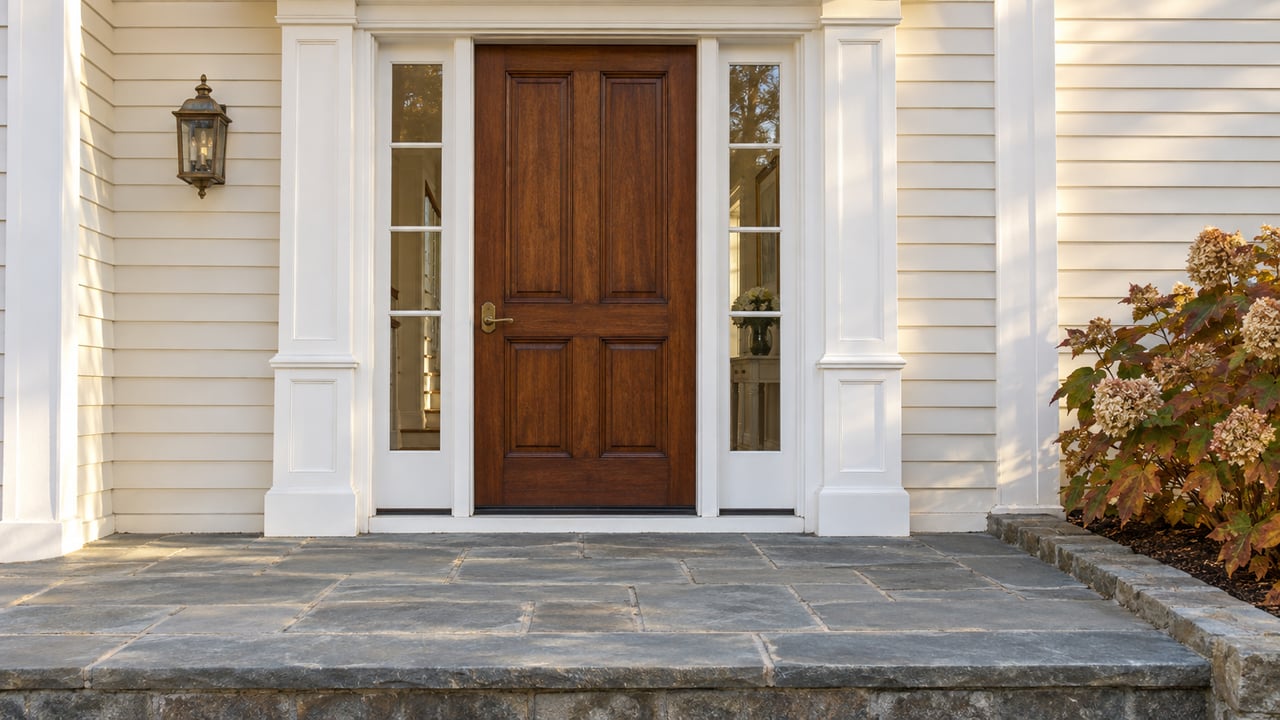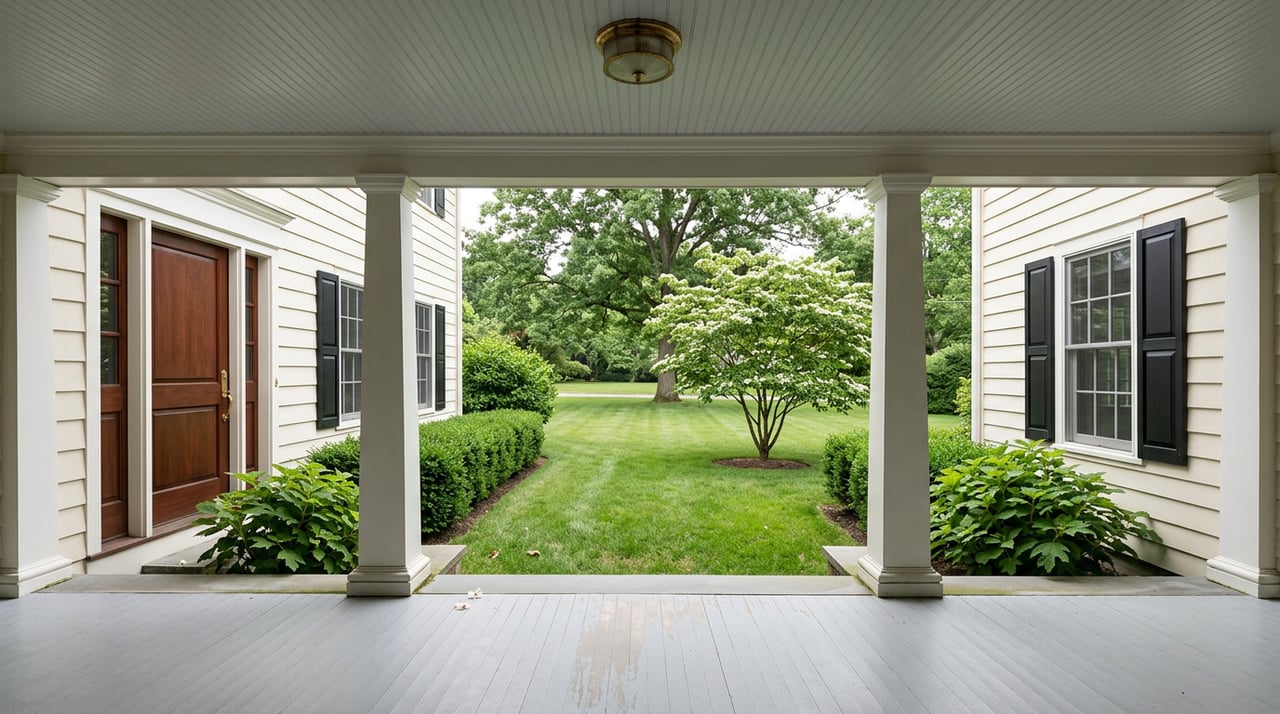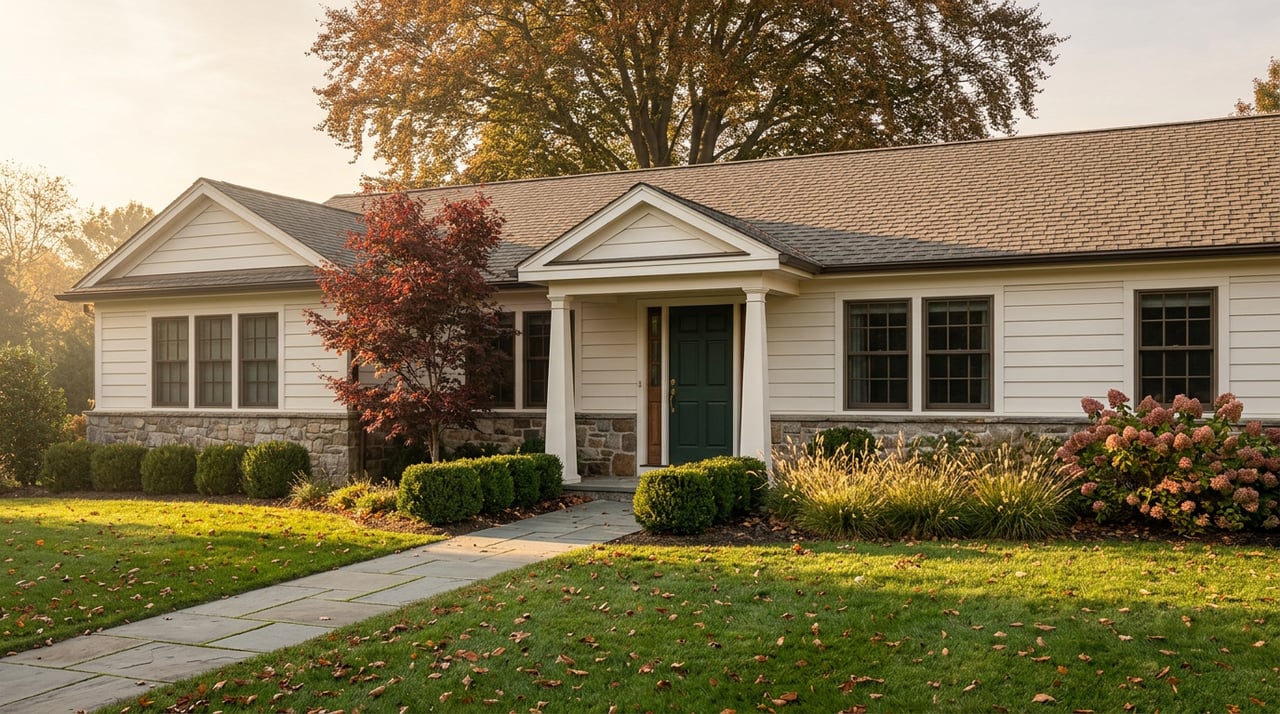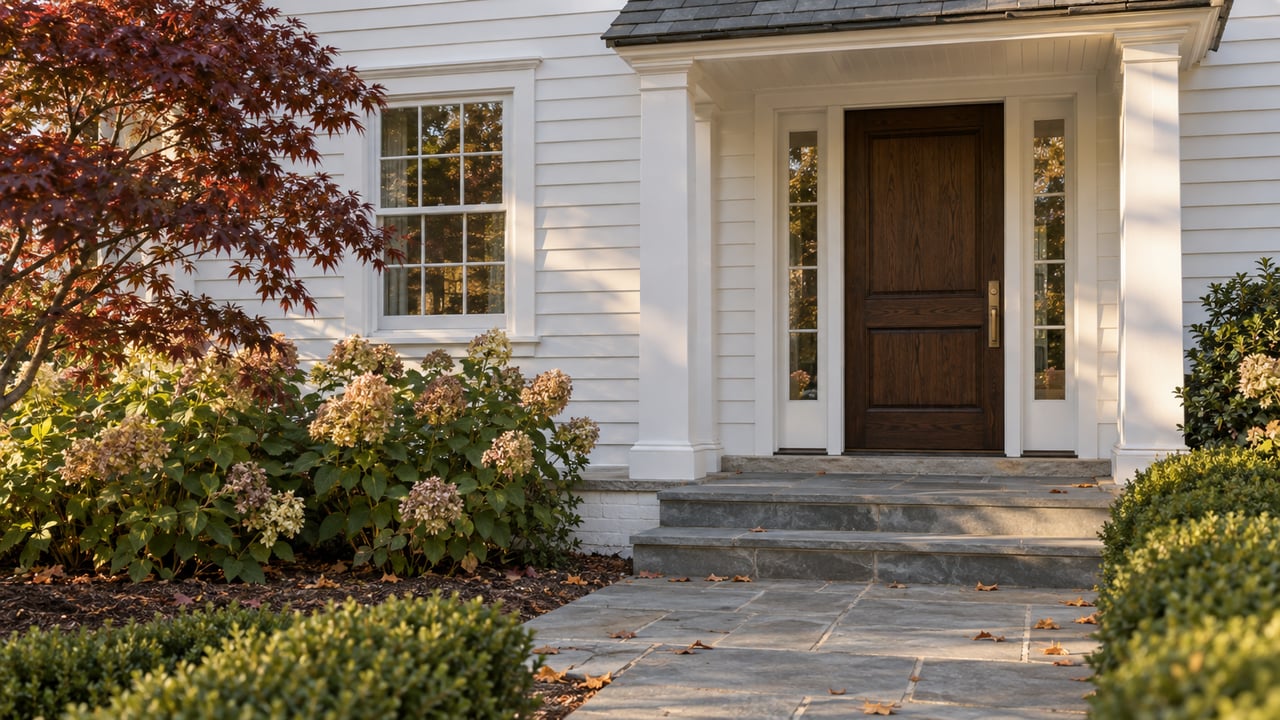
At 8 a.m. on Thanksgiving morning, runners start gathering under an American flag at 110 Van Houton Avenue, in the Highlands section of Chatham Township. Not at a park. Not at a school parking lot. At a private address, on a residential street, where a neighborhood agrees once a year to become a racecourse.
This is the Chatham Turkey Trot, and 2026 marks its 18th running. More than 1,300 people typically show up for the 1-mile family run or the USA Track & Field certified 5K, all of it looping through streets where people actually live. The race has one rule that explains more about how this neighborhood works than any other detail in its history: there are no public restrooms on the course, because, in the organizers' own words, neighbors celebrating Thanksgiving would not appreciate a portable toilet in their front yard when family come to visit.
That single sentence is the whole story. This isn't a town borrowing a stadium or a fairground for a morning. It's a residential street lending itself out, on the condition that it still has to work as a residential street an hour later when the host is carving a turkey.
The Parking Map Is a Map of the Rule
The organizers publish an exact list of where cars are allowed: Mohawk Trail, Rockledge Trail, or Ramapo Trails, all below Van Houton Avenue. Runners are explicitly told not to park along the racecourse itself, on Van Houton Avenue or Huron Drive. If those side streets fill up, the instructions offer a walking route instead: down from Birch Hill Drive via Fairmount, or from Sunset Drive through a path to Huron Drive and down Seminole Way.
None of that reads like race logistics written for spectacle. It reads like a negotiated agreement between the people who run the event and the people who live along it. The organizers aren't managing traffic. They're managing goodwill, street by street, for one morning that repeats itself every year.
The race itself doesn't bend to weather either. The event runs in snow, rain, wind, cold, or sunshine, which means the neighborhood commitment isn't seasonal or conditional. It's a fixed appointment on the township calendar, the way a holiday itself is fixed, whether or not the day cooperates.
Eighteen Years, One Spreadsheet
The Chatham Turkey Trot began in 2009. Since then, it has raised more than $365,000, funneled to a specific list of local and national causes:
- Chatham Township Volunteer Fire Department
- Chatham Emergency Squad
- Chatham Township PBA #170
- The Tunnel to Towers Foundation
- The Barton Center for Diabetes Education
- The Diabetes Research Institute
Curt Ritter, the race's founder, still runs the event today. That continuity matters more than it might seem. Eighteen years is long enough for a founding organizer to have handed off to a nonprofit board, a chamber of commerce, or a rotating volunteer committee. Instead, the same person who started it in 2009 is still the one signing the invitation every fall, which is part of why the parking rules and the no-restroom policy read less like event management and more like personal accountability to the block.
The beneficiary list is worth sitting with, too. It isn't a generic charity roundup. Three of the six are hyperlocal: the township's own volunteer fire department, its emergency squad, its police benevolent association. A holiday morning run through a residential neighborhood is, in practical terms, an annual fundraiser for the people who would show up if something went wrong on that same street any other day of the year.
The Same Week, a Different Building
A few miles from the Highlands, at 23 North Passaic Avenue, the Chatham Community Players are opening their 105th season this fall with "The Thanksgiving Play" by Larissa FastHorse. It's an unrelated tradition, run by an unrelated organization, staged indoors instead of on pavement. But it lands in the same stretch of the calendar, anchored to the same holiday, and it's worth naming alongside the Trot because together they show something about how this town's year is built.
Chatham doesn't have one Thanksgiving institution. It has at least two, occupying different parts of the same week: one that turns a residential street into a public course at sunrise, and one that turns a community theater into a gathering place after dark. A hundred and five seasons is a long enough run that the Playhouse predates the Trot by generations, which means the newer tradition didn't have to invent its own space on the calendar. It found a week that was already built for gathering and added itself to it.
What the Rule Actually Protects
It would be easy to describe the Chatham Turkey Trot as a charity run that happens to pass through a nice neighborhood. That undersells what's actually being managed here. The organizers aren't just routing 1,300 people past houses. They're routing them past houses on the one morning of the year when almost every one of those houses is hosting family, cooking a meal, and expecting a quiet, unobstructed street by midday.
The parking restrictions, the walking-route alternatives, and the explicit refusal to place a portable restroom in anyone's front yard aren't safety measures. They're the terms under which a residential neighborhood agrees to double as public infrastructure for three or four hours. That's a different kind of civic arrangement than a town festival on Main Street, where the street is already commercial and already built to absorb foot traffic. The Highlands section of Chatham Township is not built for that. The race works because its organizers have spent 18 years designing around that fact instead of around it.
For anyone who has lived through a Thanksgiving morning on Van Houton Avenue or one of the surrounding streets, that tradeoff is probably just Thursday. The flag goes up, the runners gather, the same six beneficiaries get a little more support, and by early afternoon the block looks like it always does. The rule about the restrooms isn't a footnote. It's the reason the whole thing has lasted long enough to reach an 18th year without wearing out its welcome on the one block that makes it possible.
If you're weighing what it actually feels like to live in a neighborhood that holds traditions like this, from a fire department fundraiser that runs past your driveway to a community theater season built on more than a century of Thanksgiving-week gatherings, Megan Bonanno can walk you through what daily life in the Highlands and the rest of Chatham looks like beyond the one morning a year everyone else drives in to see it.