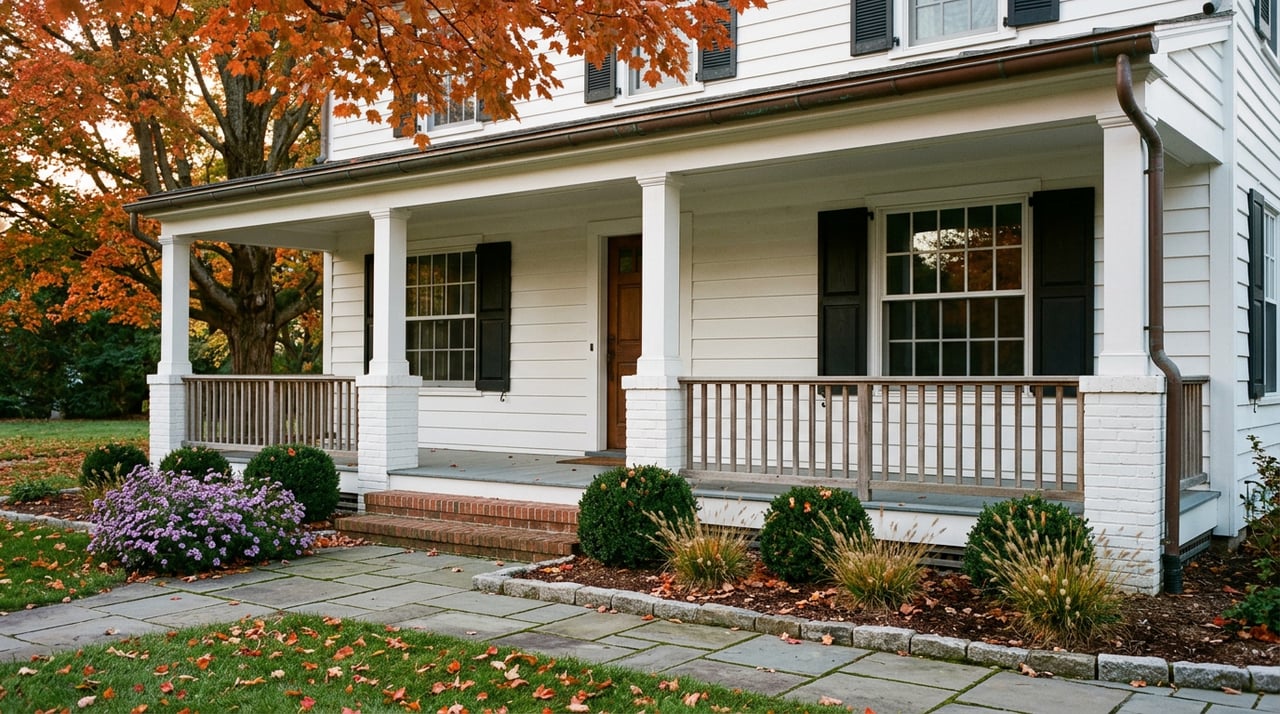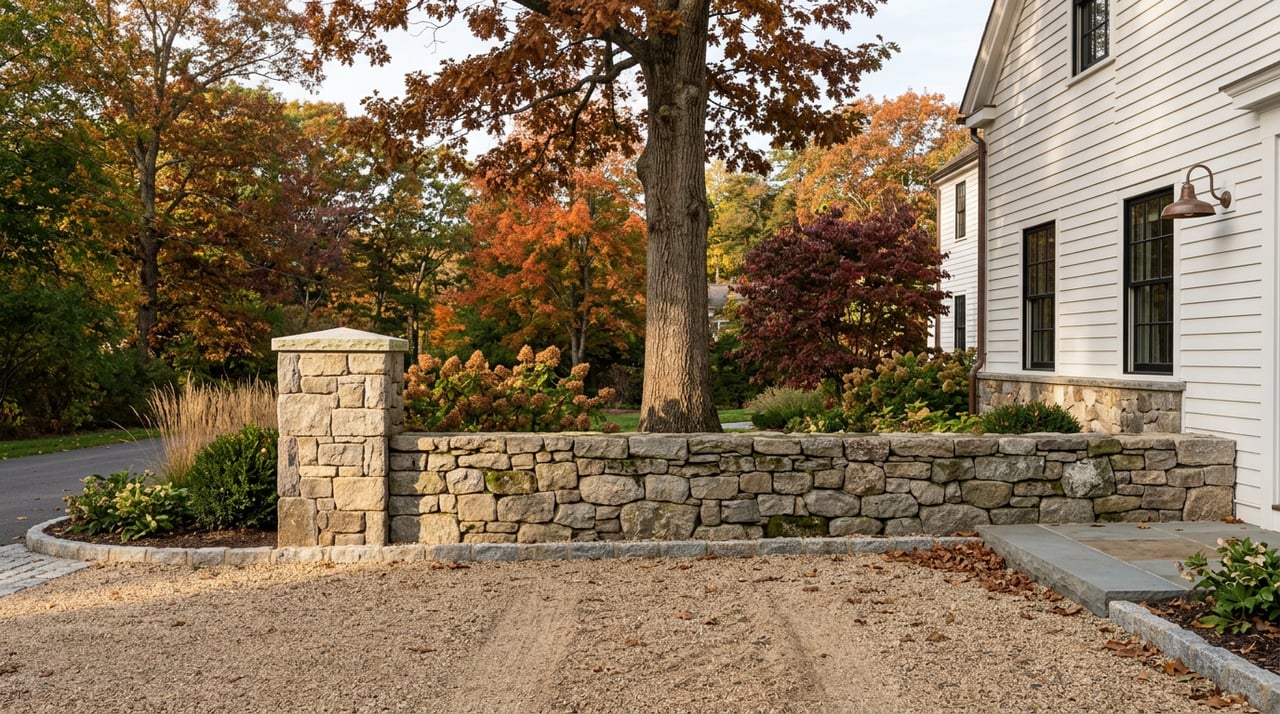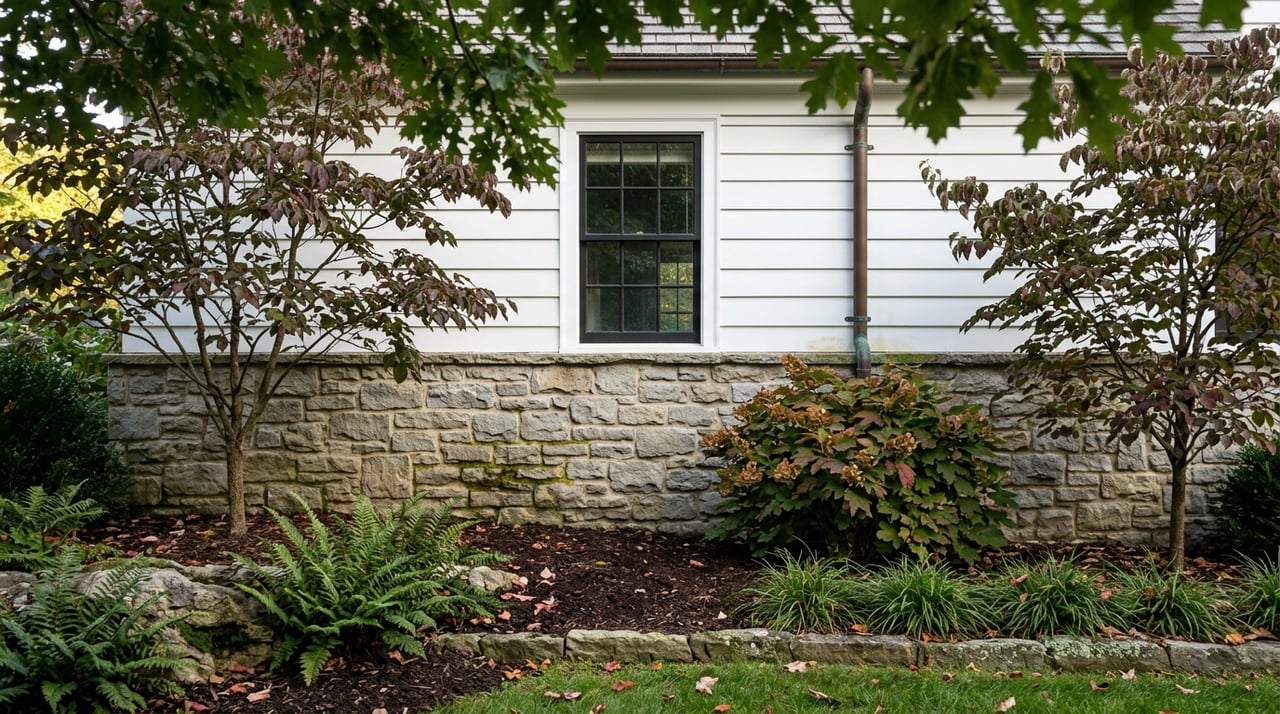
A buyer touring a listing on Bernardsville Mountain recently ran into a detail that never shows up in the photos: the home is marketed as a five-bedroom, but the septic system on file with the borough is certified for four. Nothing about the floor plan changed. The fifth room is still a bedroom by any normal definition. What changed is what the property can legally support on a day-to-day basis, and that number lives in a health department file, not in the listing description.
This is not a quirk of one house. It is a pattern built into how Bernardsville grew, and it is the single most useful thing a buyer looking at estate-era property here can understand before writing an offer.
The Town Splits at the Fault Line
Roughly 1,600 residences in Bernardsville, about 55 percent of the borough, connect to the municipal sewer plant near the Rose Bowl, run by a five-person department that maintains 19 miles of sewer mains and six pumping stations. That leaves close to half the town outside the system entirely, relying instead on private wells and septic fields. The borough's own well testing data puts the number of private wells in Bernardsville Borough at approximately 950.
The split is not random. It tracks the Ramapo Fault, which divides the ground beneath Bernardsville into two different geologies. On the high side, up the Mountain, homes sit on gneiss and boulder-laden soil that made trenching sewer lines impractical when the estate sections were developed. Downtown and in the lower, denser blocks, the ground allowed for conventional infrastructure, so that is where the borough built its sewer network. The result is a town where your address, not your budget, often determines whether you are managing a water bill or managing a wellhead.
Why the Systems Are This Old
Bernardsville's well and septic geography is inseparable from its settlement history. The Gladstone Branch rail line reached the area in 1872, and its evening commuter run back from Manhattan earned the nickname "the millionaire's special." Wealthy New Yorkers began building estates up the Mountain in the years that followed, and the borough formally split off from Bernards Township in 1924, inheriting the private water and waste infrastructure those estates had already put in the ground.
That means a meaningful share of the wells and septic systems still in service on the Mountain date to a period well before current health department standards existed. Systems installed before modern code can be grandfathered, but they still have to meet current requirements if they fail or if the property changes significantly, which includes additions that would increase bedroom count or water use. A home in the Olcott Avenue Historic District or elsewhere in the older Somerset Hills sections may carry a septic design sized for a household that lived very differently than a buyer expects to live today.
The Test You Think You Already Took
Every spring, Raritan Headwaters Association runs community well testing days across Somerset, Hunterdon, and Morris counties, including Bernardsville. The organization has done this since 1959, and the 2026 season is already scheduled, with residents able to pick up test kits and drop off samples at designated local sites. It is a genuinely useful program, and it is the reason many Bernardsville homeowners already know something about their water quality.
It cannot, however, satisfy New Jersey's Private Well Testing Act. Under the PWTA, adopted in 2002, any private well being transferred with a property sale must be sampled by a certified third party, typically a lab employee sent to the site, with results shared with the buyer before closing. Raritan Headwaters is explicit that its community program does not meet this requirement, because participants collect their own water samples. A seller who tested their well through the spring community event has useful information about their water, but they still need a separate, third-party PWTA test before closing. Buyers should confirm this has happened rather than assume it has.
What the Testing Has Already Turned Up
Bernardsville's own environmental commission has published results from wells tested under the PWTA between 2002 and 2018. Elevated arsenic, above 5 parts per billion, showed up in about 4.5 percent of the homes tested. During a 2021 community testing event, one home returned a radon-in-water result more than 15 times the federal guideline used as a reference point, since New Jersey has no binding state standard for radon in water. Neither finding is unusual for a region with private wells, and neither is a reason to avoid a particular street. It is the reason the transfer testing law exists in the first place, and it is worth reading the actual PWTA results for any specific address before treating a well as a formality in the contract.
What It Actually Costs to Find Out
Septic and well issues rarely sink a Bernardsville deal, but they do change the negotiation if they surface late. Current 2026 guidance on New Jersey septic compliance puts the costs in a fairly wide but predictable range:
| Service | Typical Cost |
|---|---|
| Septic inspection | $300 to $500 |
| Septic pumping | $380 to $3,000, depending on sludge volume |
| Full system replacement | $15,000 to $35,000, per statewide 2026 compliance estimates |
Most transactions land in the inspection and pumping range. Full replacement is the outlier scenario, usually triggered by a system that is failing outright or one that can no longer support the bedroom count a buyer wants to use. That last point is what makes the earlier example worth remembering: a septic system rated for four bedrooms does not become a five-bedroom system because the fifth room already exists. Financing an addition, converting a den into a bedroom, or simply using the home differently than the previous owner did can all trigger the need for an upgrade, and NJDEP setback rules, which require 50 to 100 feet between a septic field and a well, can make an upgrade harder on a smaller or oddly shaped Mountain lot.
Sewer Service Isn't a Free Pass Either
Downtown Bernardsville trades one set of questions for another. Mine Brook runs directly alongside Route 202 through the center of town before continuing toward the North Branch of the Raritan, and it has a long history of rising fast during heavy rain, including flash flooding during the September 2021 storms that affected communities across New Jersey. A property connected to the municipal sewer system is still responsible for its own building sewer, the private line running from the house to the borough's main, and in the older downtown blocks those laterals are often the same vintage clay or cast iron found in the estate sections. Being on sewer means one less system to test at closing. It does not mean the plumbing between the house and the street is new.
What to Ask Before You Write the Offer
- Is this property on borough sewer and water, or private well and septic? Confirm with the seller's disclosure, not just the neighborhood's reputation.
- If it is on septic, what bedroom count is the system certified for, and does that match how you intend to use the home?
- Has a PWTA-compliant, third-party well test been completed and shared, separate from any community testing the seller may have done independently?
- When was the septic system last pumped and inspected, and is there a service record?
- If you plan an addition, does the lot have room to meet setback requirements for an upgraded system?
A Few Questions Worth a Straight Answer
Can I find out if a specific address is on sewer or septic before I schedule a showing? Yes. The borough's sewer utility and health department maintain records of which properties connect to the municipal system, and a septic-served property will show that in its file with the local health department.
Does a private well affect mortgage financing? Most conventional and jumbo lenders will finance a home on a private well and septic system as long as the PWTA testing comes back within acceptable limits and the septic system passes inspection. Lenders are typically more concerned with a failed test than with the presence of a well itself.
If the septic is undersized for what I want, is that a dealbreaker? Not necessarily, but it changes the math. An upgrade is possible on many lots, particularly if there is room to meet the setback distances from wells and property lines. It is worth pricing that out before you finalize an offer rather than after.
Buying on Bernardsville Mountain, or anywhere in the borough's private-well sections, rewards the kind of homework most buyers do not think to do until an inspector brings it up. If you are weighing a specific property and want a straight read on what its well or septic history actually means for your offer, reach out to Megan Bonanno or request a free home valuation to start the conversation with the right questions already answered.