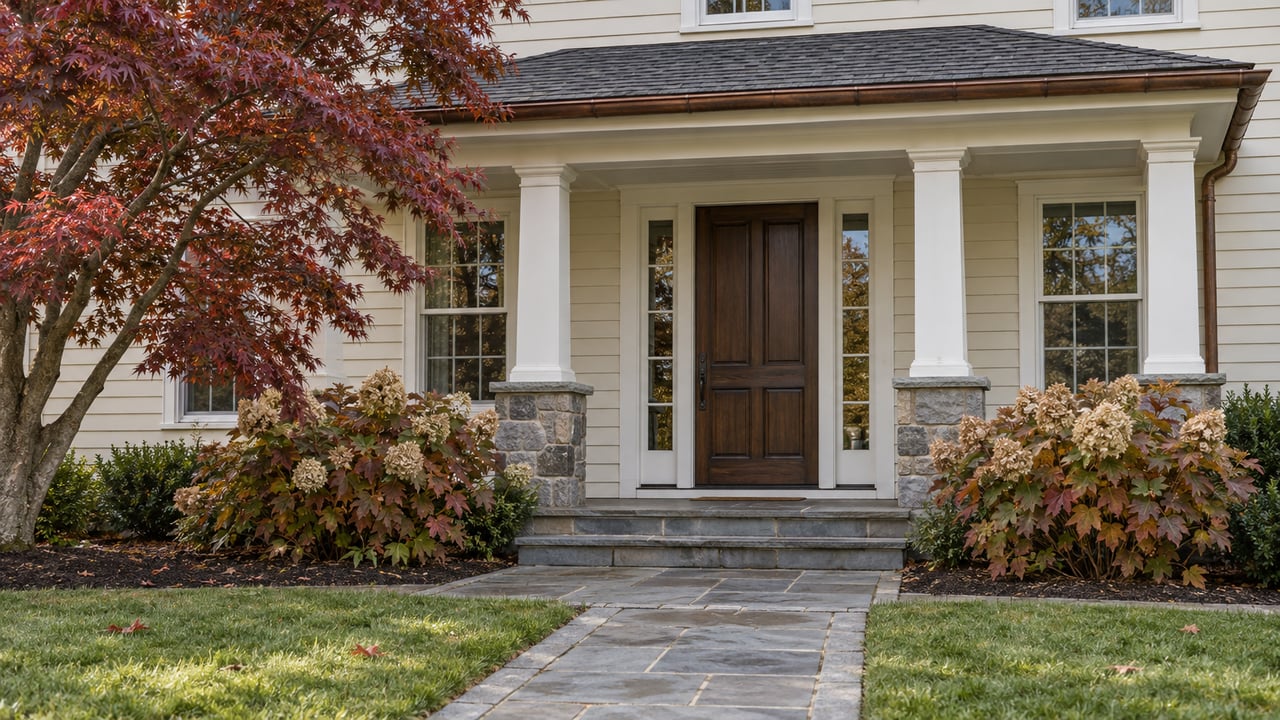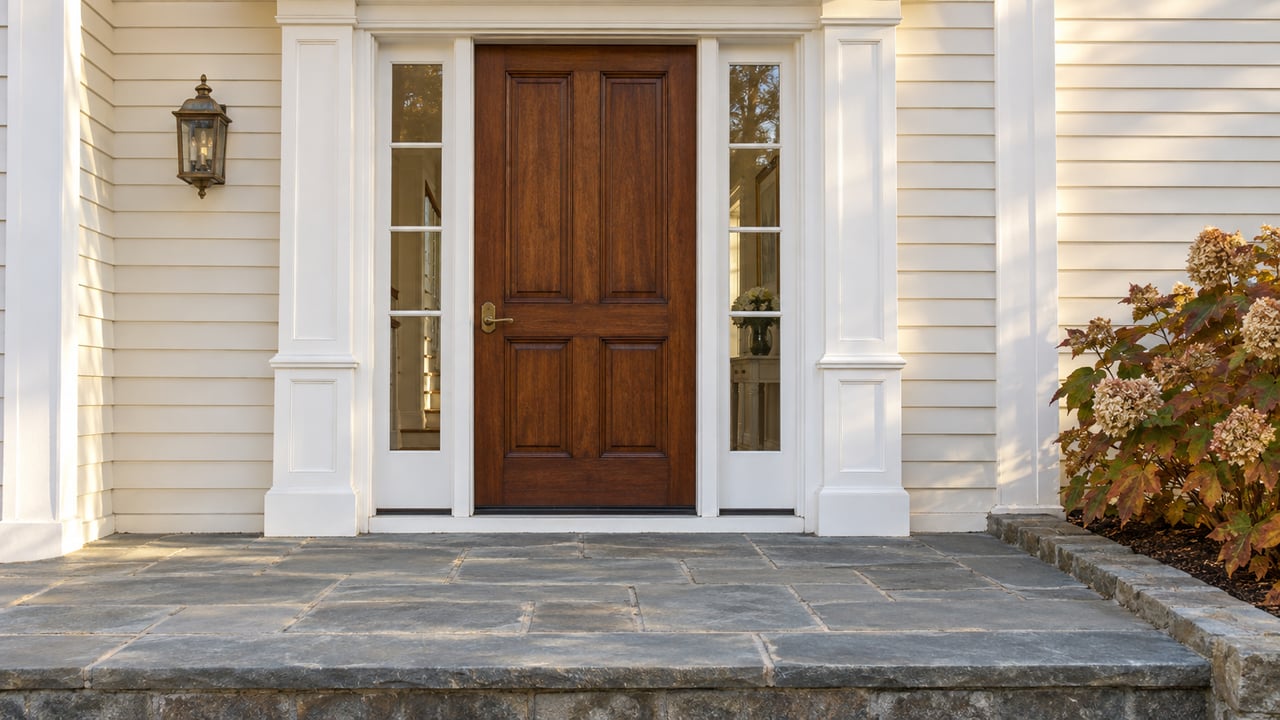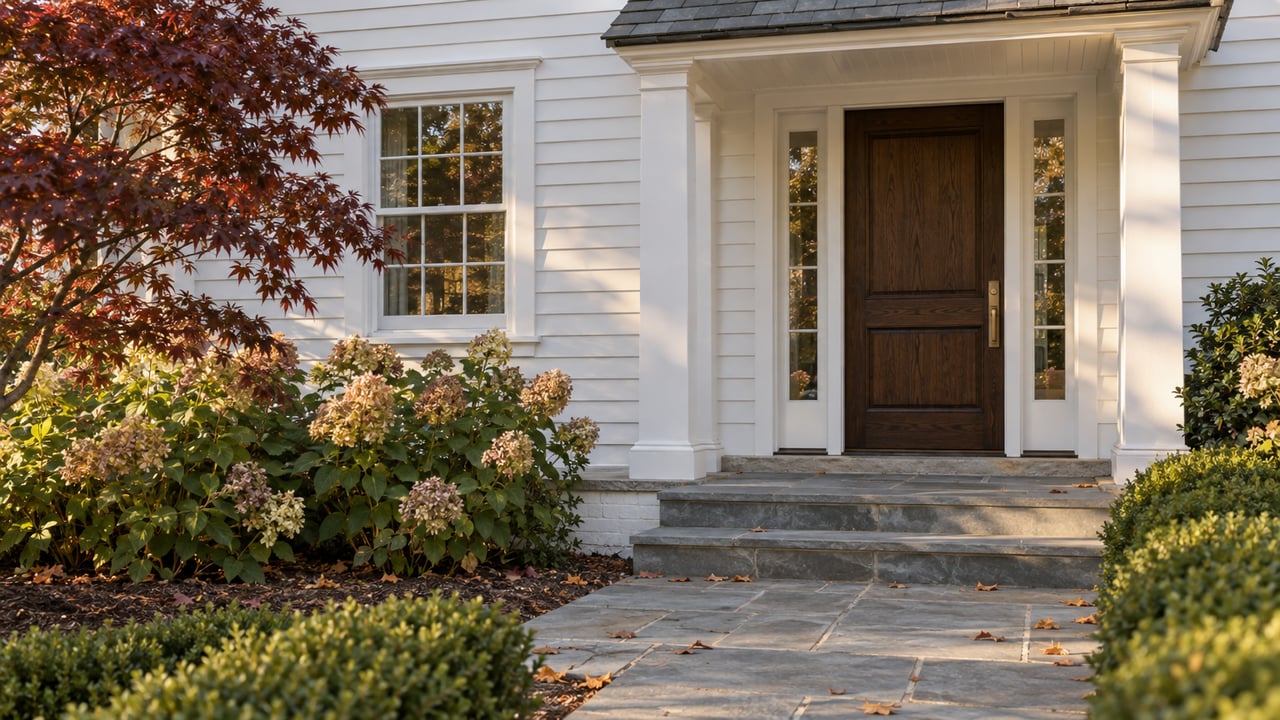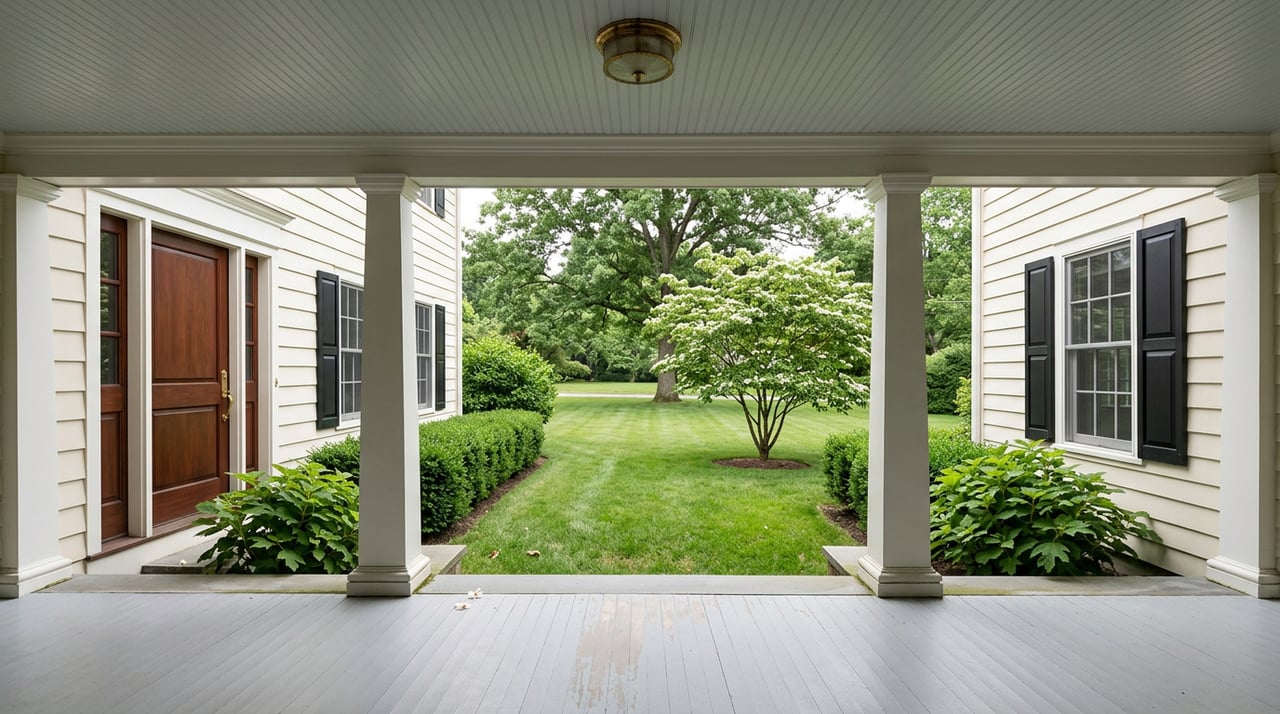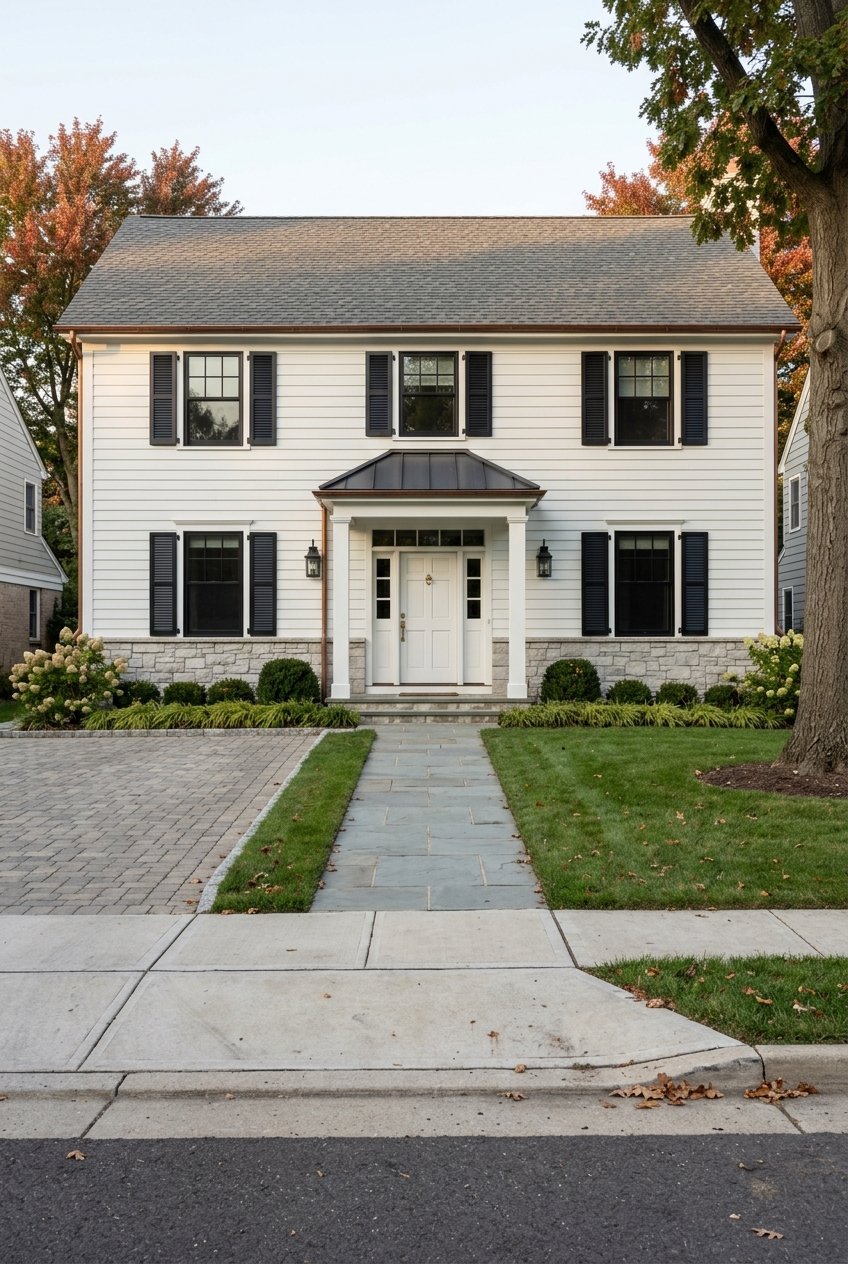
Wondering why one Basking Ridge address feels like a walkable historic village while another feels more like a planned community or a quiet rural retreat? That is one of the most important things to understand before you buy or sell here. Basking Ridge is not one uniform neighborhood, and once you see how its housing pockets differ, your search becomes much clearer. Let’s dive in.
How to Think About Basking Ridge
Basking Ridge is best understood as a collection of distinct pockets within Bernards Township, not a single subdivision with one look and one lifestyle. Township planning documents describe village centers like Basking Ridge and Liberty Corner, along with Franklin Corners and Madisonville, as places that still hold early 20th-century streetscapes and older small-scale homes.
That mix is part of why the area can feel older and newer at the same time. Bernards Township housing data shows a major wave of homebuilding from 1980 to 2000, with 6,116 dwelling units permitted during that period and 77% of them single-family, including attached units. At the same time, some pockets still feature homes from the 1800s and early 1900s.
Another big factor is supply. The township’s housing plan says Bernards is nearing full build-out, with much of the remaining vacant land environmentally restricted or not sewered. In practical terms, that means most buyers are choosing among established neighborhoods and home styles, not waiting for large amounts of new construction.
Four Main Housing Experiences
If you are trying to narrow down where to focus, it helps to think of Basking Ridge as offering four main housing experiences. Each one appeals to a different set of priorities.
Historic village character
This is the part of Basking Ridge that many people picture first. The township’s historic-preservation plan highlights village centers for their historic streetscapes, tree-lined streets, and homes built before modern zoning standards.
In these central blocks, you may find older homes with strong architectural personality, irregular lot shapes, and setbacks that do not follow today’s more uniform patterns. Public records for central streets show a wide age range, including homes from 1850, 1875, 1900, and the mid-20th century.
Larger-lot transitional streets
Just outside the village core, some streets feel more open while still keeping an established residential character. These areas bridge the gap between the tighter historic grid and the more land-oriented parts of town.
Examples on streets like Hilltop Road and Manor Drive show 1950s to 1970s homes on lots ranging from about half an acre to more than 1 acre. If you want a more traditional single-family setting with more yard space than the village center, this category is often worth a close look.
Liberty Corner’s rural-historic edge
Liberty Corner is another major point of comparison for buyers considering Basking Ridge. Bernards Township describes it as a settlement dating back to 1722 that still maintains a rural feel, and its historic district includes 84 contributing buildings within a 142-acre area.
This pocket tends to feel less standardized and more land-oriented. Housing examples nearby range from smaller parcels to homes on nearly 1 acre and even multi-acre properties, which creates a broader spread of options than many buyers expect.
Planned communities and attached homes
For buyers who want lower-maintenance living, Basking Ridge also has clear planned-community options. Township zoning and planning materials identify places like The Hills, The Cedars, and Society Hill as higher-density or planned residential pockets, with The Hills completed in 2002.
These communities often offer condos, townhomes, and smaller-lot single-family homes. The overall feel is more predictable in layout and maintenance than the village or rural pockets, and the housing form is often a better fit for buyers who want less yard work and a more managed environment.
Historic Basking Ridge Village Homes
If you are drawn to charm and a strong sense of place, the historic village area is usually where your attention goes first. This part of town tends to offer the most architectural variety, with homes from different eras set along established streets that developed long before modern zoning rules shaped lot sizes and setbacks.
That older pattern creates a streetscape that feels layered rather than uniform. You might see one house on a half-acre parcel, another on a slightly different footprint, and another with a front setback that would be unusual in a newer subdivision.
Representative public records help show that range. Central addresses include homes dating to 1850, 1875, 1900, and 1957, with lot sizes from roughly half an acre to well over 1 acre.
What buyers usually notice here
Buyers often respond to the details that are hardest to reproduce in newer construction. Mature trees, established streets, and older architecture create a sense of character that feels distinct from planned neighborhoods.
At the same time, these homes are often less standardized. You may see more variation in lot shape, home placement, and overall layout from one property to the next.
Who this style tends to suit
Historic village homes often appeal to buyers who value character over sameness. If you like older architecture, established streets, and a setting with visible history, this pocket may feel especially compelling.
For sellers, that also means presentation matters. Homes in this category are usually best understood through their setting, lot traits, and architectural details, not just bedroom and bathroom counts.
Transitional Streets With More Land
Some buyers want established homes but not the tighter lot patterns of the village core. That is where the transitional streets just outside central Basking Ridge can stand out.
On streets like Hilltop Road and Manor Drive, public records show homes from the 1950s through the 1970s on parcels of about 0.93 acres, 0.98 acres, 1.10 acres, and 1.35 acres. That is a meaningful contrast with both the tighter historic center and the smaller-lot planned communities.
Why these areas appeal to buyers
These streets often offer a middle ground. You get mature neighborhoods and established homes, but with a more open feel and generally broader parcels.
For many buyers, this creates a practical balance between character and yard space. It can also be a smart fit if you want a detached home without going fully toward the rural edge.
Liberty Corner and the Rural Edge
Liberty Corner offers one of the clearest alternatives to central Basking Ridge. Its history runs deep, but the feel is often more rural and less tightly patterned than the main village streets.
The township notes that a World War I veteran subdivided land north of Church Street in the early 1920s into a small English-cottage bungalow enclave. That remained Liberty Corner’s only residential development until the late 20th century, which helps explain why the area still feels less built out and more organically shaped.
Public records underscore that variety. Nearby examples include a 1996 home on 0.21 acre, a 1978 home on 0.93 acre, and a parcel of 8.55 acres.
What makes Liberty Corner different
The biggest distinction is the range of land and setting. Instead of one dominant housing format, you see a wider spread of lot sizes and a stronger rural-historic identity.
That can be appealing if you want more privacy, more land, or simply a quieter feel. It also means comparing homes here often requires a more nuanced look, because properties can differ significantly in acreage, layout, and overall setting.
The Hills, Society Hill, and The Cedars
If your priority is convenience and lower exterior maintenance, the planned communities in Basking Ridge deserve special attention. These are some of the clearest options for buyers looking at condos, townhomes, or smaller-lot homes.
The Hills is one of the most established examples. Township records and planning materials identify it as a higher-density housing area with townhouses, apartments, condominiums, and smaller-lot single-family homes, with completion in 2002.
Representative examples show condos in The Hills built in the 1980s and 1990s with compact land parcels, along with single-family homes around 1999 to 2002 on relatively small lots. That creates a very different ownership experience from the larger-lot and historic sections of town.
Society Hill and The Cedars are also key comparison points. Public records show attached-home formats here as well, including condos and townhomes from the mid-1980s through early 1990s on small land parcels.
What this housing style offers
These communities are often the best fit if you want:
- Attached housing options
- Smaller lots
- A more predictable maintenance profile
- Community-style amenities often associated with HOA living
This category can work well for first-time buyers, downsizers, or anyone who prefers a more simplified ownership model.
A Note for Downsizers
Basking Ridge also includes Ridge Oak, which township records identify as an age-restricted independent-living development with 247 units at 150 Manchester Drive. The existing development was built in the 1970s.
If you are planning a move that prioritizes easier upkeep or a different stage of homeownership, this is an important part of the local housing mix to understand. In Basking Ridge, downsizing does not always mean leaving the area. Often, it means choosing a housing style that better matches the way you want to live now.
How to Match the Right Pocket to You
The right choice usually comes down to how you want your home to feel day to day. In Basking Ridge, neighborhood character and housing type are closely connected.
A simple way to think about it is this:
- Choose the historic village if you value charm, older architecture, and the strongest sense of place
- Choose transitional larger-lot streets if you want an established home with more yard space
- Choose Liberty Corner or the rural edge if land and a quieter historic-rural feel matter most
- Choose The Hills, Society Hill, or The Cedars if you want attached housing or lower-maintenance living
For buyers, this framework helps you focus faster and compare homes more accurately. For sellers, it helps position your home against the right competition and speak clearly to what makes your property stand out.
Basking Ridge rewards a neighborhood-level approach. If you would like help understanding which pocket fits your goals, or how to position your home within today’s market, Megan Bonanno, Broker Associate offers calm, local guidance backed by a thoughtful process and deep knowledge of the area.
FAQs
What kinds of neighborhoods are in Basking Ridge?
- Basking Ridge is best understood as four main housing experiences: historic village streets, larger-lot transitional areas, Liberty Corner’s rural-historic edge, and planned communities such as The Hills, Society Hill, and The Cedars.
What are historic village homes like in Basking Ridge?
- Historic village homes in Basking Ridge often feature older architecture, tree-lined streets, and less standardized lot sizes and setbacks because many were built before modern zoning patterns.
What makes Liberty Corner different from central Basking Ridge?
- Liberty Corner generally offers a more rural feel, a wider range of lot sizes, and a less standardized housing pattern than the tighter historic streets in central Basking Ridge.
Which Basking Ridge neighborhoods have condos or townhomes?
- The Hills, Society Hill, and The Cedars are the clearest Basking Ridge options for buyers looking for condos, townhomes, and other lower-maintenance attached housing.
Are there downsizing options in Basking Ridge?
- Yes. Ridge Oak is an age-restricted independent-living development in Basking Ridge, and planned communities with attached homes may also appeal to some downsizers seeking less exterior upkeep.
Is there much new construction in Basking Ridge?
- Bernards Township is nearing full build-out, so most buyers in Basking Ridge are choosing among existing neighborhoods and established homes rather than large amounts of new construction.